
Netwrix helps you comply with the Philippines Data Privacy Act (DPA)
About the Data Privacy Act (DPA) of the Philippines
The Data Privacy Act of 2012 (Republic Act No. 10173) is the Philippines’ comprehensive data protection law, enforced by the National Privacy Commission (NPC). It aims to protect the fundamental right to privacy of communication while ensuring the free flow of information for innovation and growth.
The DPA regulates how personal data is collected, stored, processed, and shared. It applies to both public and private organizations that handle personal data of Filipino citizens or residents, whether located in the Philippines or abroad.
DPA Benefits
Top reasons why organizations comply with the Philippines DPA:
- Strengthens public trust
Compliance demonstrates accountability and respect for data subjects’ rights, improving customer and stakeholder confidence. - Prevents costly penalties
Avoids fines, sanctions, and criminal liabilities imposed by the National Privacy Commission for non-compliance or negligence. - Enhances governance and transparency
Encourages organizations to establish strong data protection policies, breach notification procedures, and continuous risk assessment. - Supports international compliance
Aligns with global privacy frameworks like GDPR, PDPA (Singapore, Malaysia, Thailand), and Indonesia’s PDP, facilitating smoother cross-border data exchange.
How does Netwrix help you comply with DPA?
Netwrix solutions provide visibility, governance, and security capabilities to help organizations meet the Philippines DPA requirements. They support compliance with key principles such as transparency, legitimate purpose, and proportionality while enabling data subject rights, breach response, and accountability.
Our solutions support:
- Data discovery and classification to identify and protect personal data
- Access governance and enforcement of least privilege
- Privileged access control and accountability
- Continuous auditing, alerting, and reporting for compliance
- Breach detection, investigation, and timely notification to the NPC
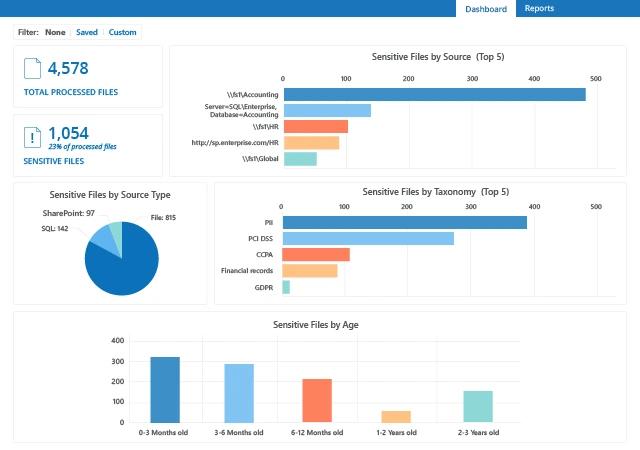
Netwrix Data Classification
Automatically discovers and classifies personal and sensitive data across IT environments. Supports DPA obligations for data inventory, retention, and protection by ensuring organizations know what personal data they hold and where it resides.
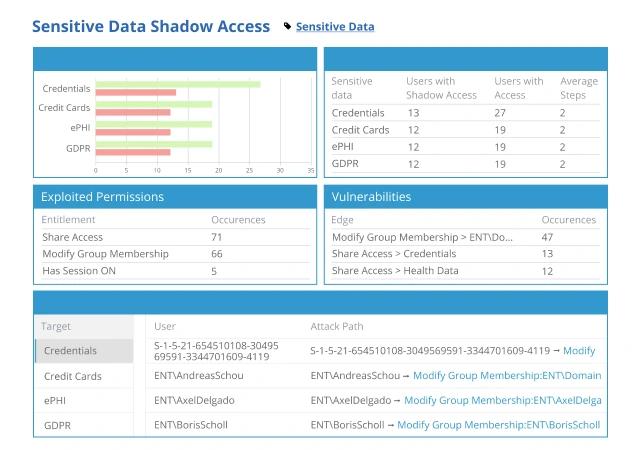
Netwrix Access Analyzer
Provides insight into who has access to personal data and helps enforce least privilege. Ensures compliance with DPA principles of proportionality and data minimization.
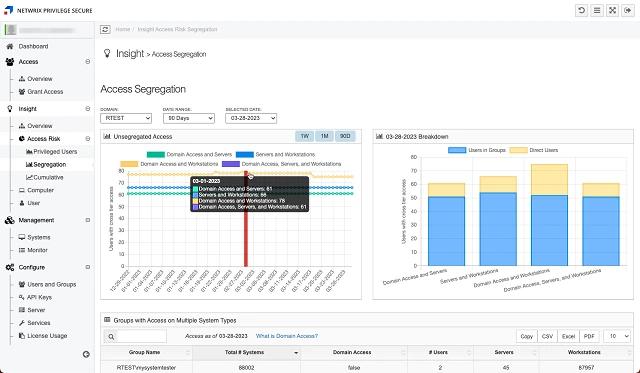
Netwrix Privilege Secure
Delivers just-in-time privileged access, session monitoring, and credential vaulting. Ensures accountability and limits unauthorized access to systems containing personal data.
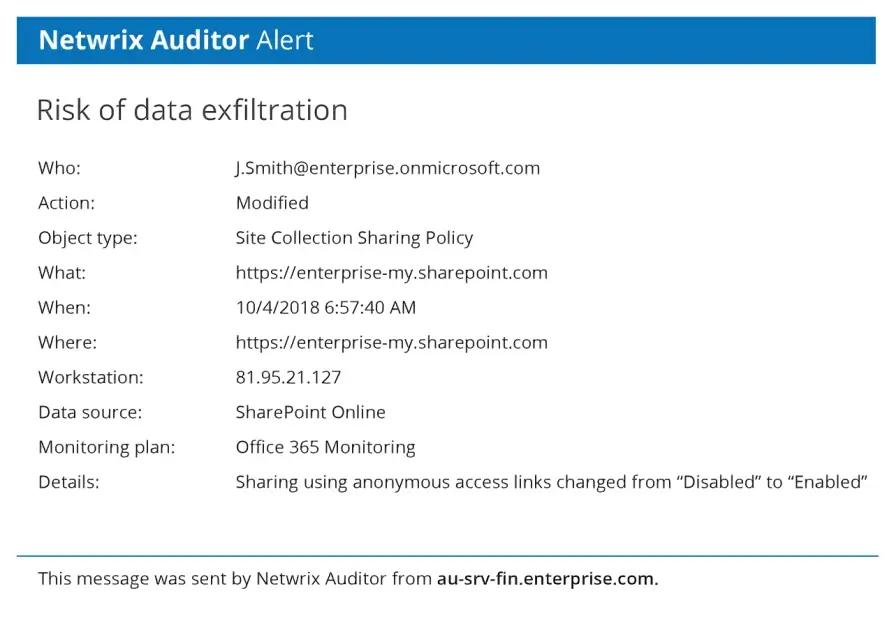
Netwrix Auditor
Provides audit trails, predefined reports, and real-time alerts to demonstrate compliance with DPA accountability, transparency, and security requirements. Simplifies reporting for NPC investigations or audits.
Netwrix Threat Manager
Detects insider threats, anomalous user behavior, and data exfiltration attempts. Supports DPA requirements for breach detection and timely incident response.
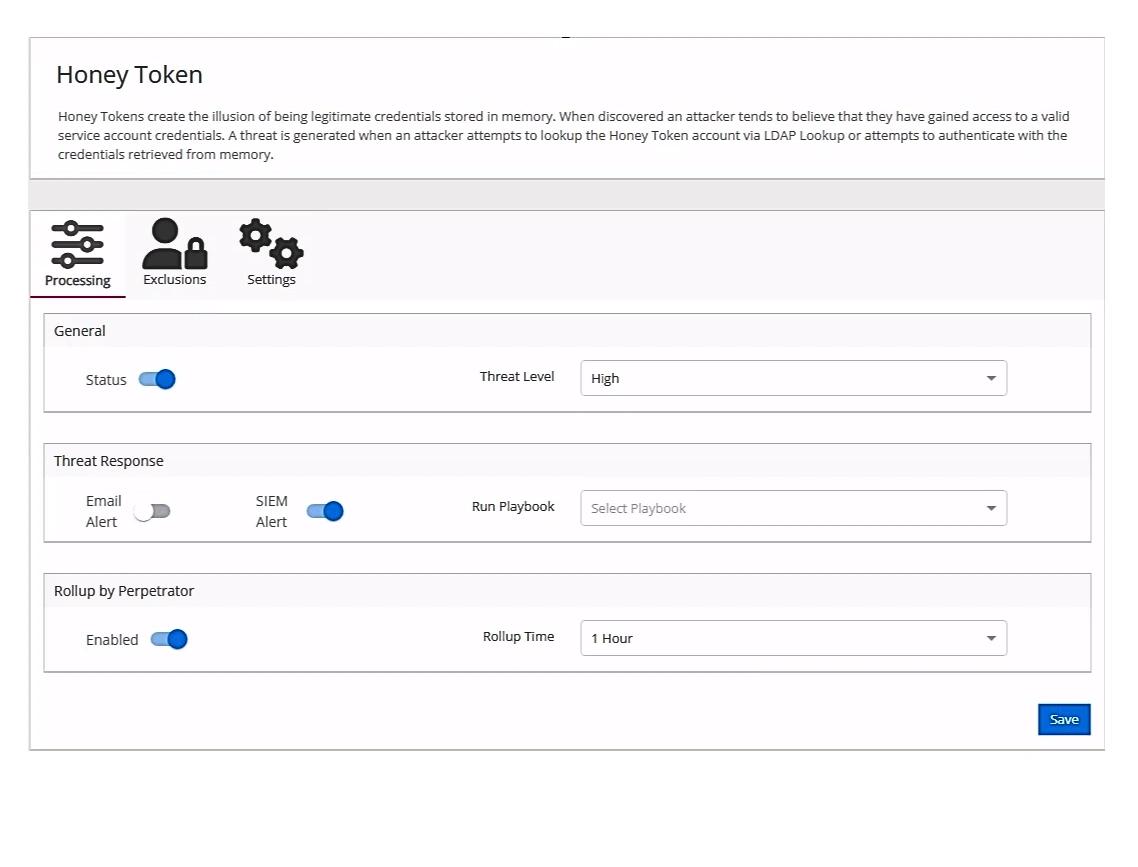
Netwrix ITDR
Identifies compromised accounts, suspicious logins, and potential identity-based threats. Strengthens DPA compliance by protecting user identities and minimizing unauthorized data access.
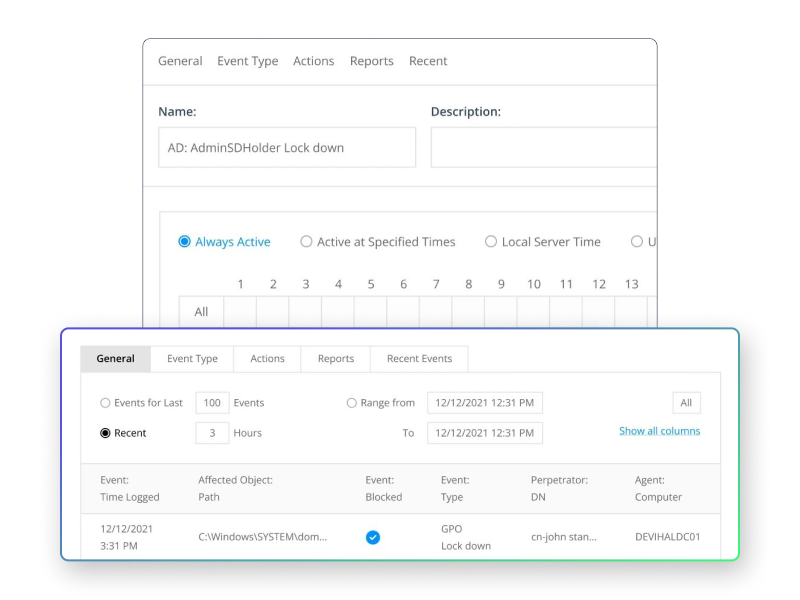
Netwrix Change Tracker
Monitors and validates system and configuration changes. Supports DPA compliance by ensuring that security controls protecting personal data remain effective and tamper-free.
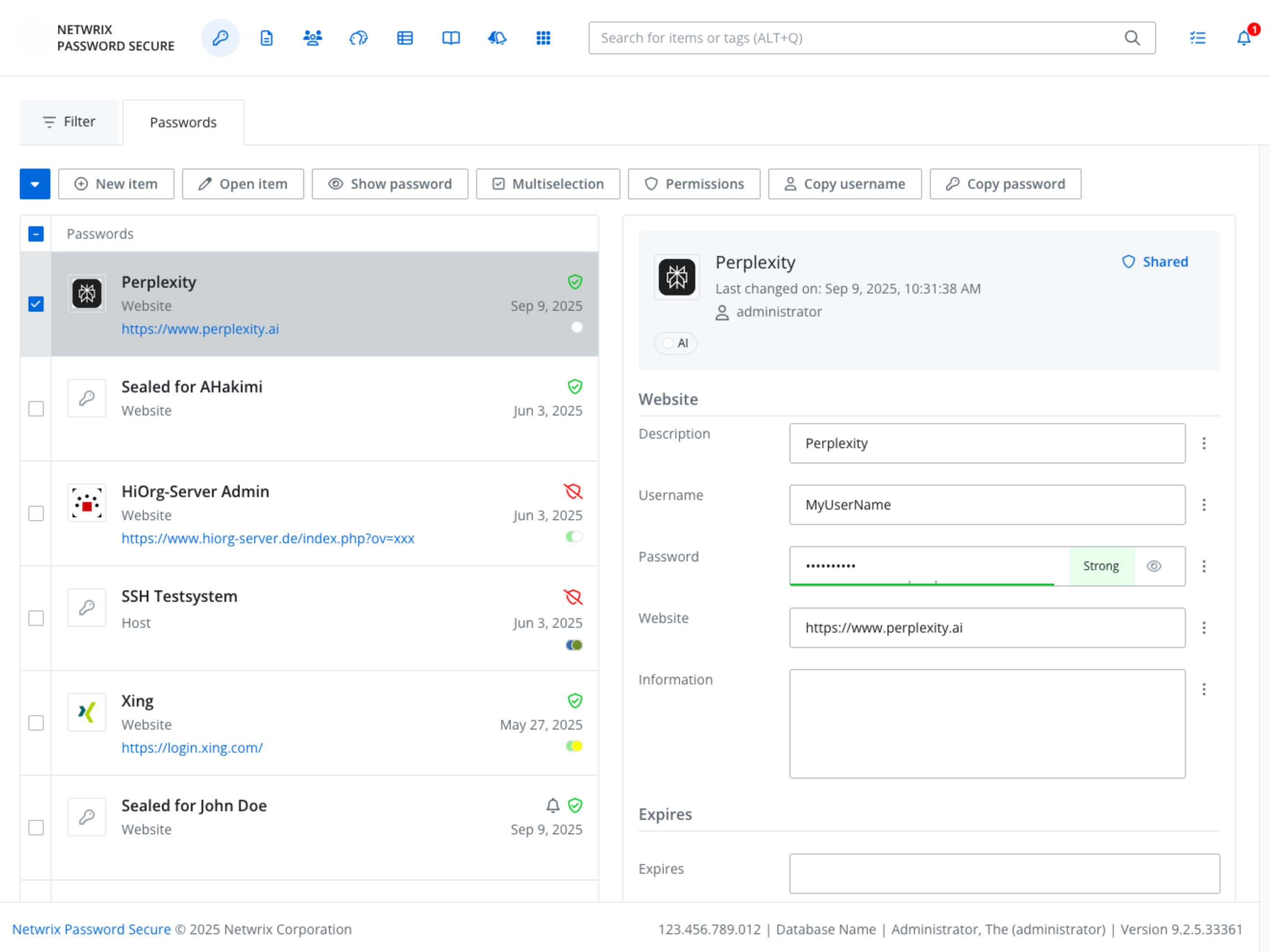
Netwrix Password Secure
Enforces strong password hygiene and secure credential management. Helps prevent unauthorized access to systems and databases containing personal data.
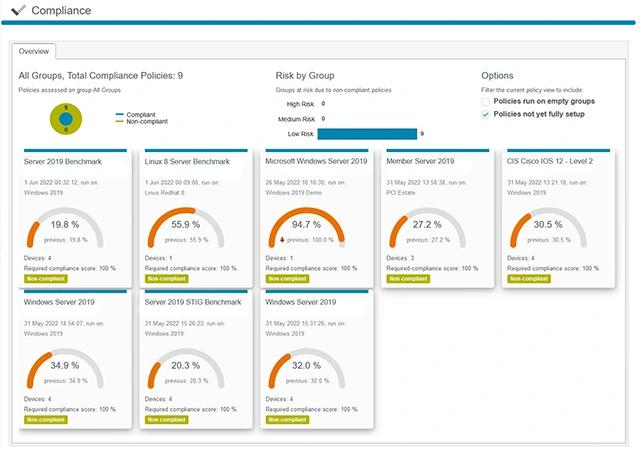
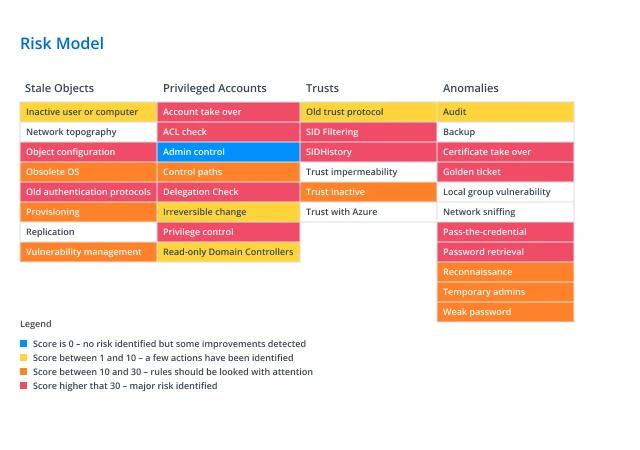
Netwrix PingCastle
Assesses Active Directory and Entra ID environments for vulnerabilities and misconfigurations. Helps ensure secure identity management and supports DPA compliance through proactive risk reduction.
FAQs
Share on
View related compliance concepts
Netwrix helps you comply with Korea’s National Network Security Framework (N2SF)
Netwrix helps you comply with APRA CPS 234
Netwrix helps you comply with India’s Digital Personal Data Protection (DPDP) Act
Netwrix helps you comply with Indonesia’s Personal Data Protection (PDP) Law
Netwrix helps you comply with PDPA